

Summer is one of the most financially consequential seasons in the restaurant industry. With longer daylight hours, increased foot traffic, tourism surges, and a cultural appetite for dining out, the months between June and August represent both an extraordinary opportunity and a significant operational challenge for restaurant owners and managers. The difference between a profitable summer and a stressful one almost always comes down to preparation, and the restaurants that plan strategically, adjusting their menus, staffing models, marketing approach, and technology infrastructure well in advance, are the ones that walk away with a healthy bottom line.
Yet many restaurant operators still treat summer as simply “busier winter,” reacting to increased demand rather than designing systems that capture it fully. This article explores the most effective restaurant summer strategies available in 2026, drawing on industry best practices, emerging consumer trends, and the role that modern point-of-sale technology plays in turning seasonal volume into seasonal profit. Whether you operate a fast-casual counter, a full-service dining room, a beachfront café, or a family-owned bistro, these strategies are designed to help you make the most of every warm-weather dollar.
Organize your sales in seconds with Cashier POS!
Take control of sales and users in moments, and give your business a fully integrated system that runs smoothly.
Get Started For FreeWhy Summer Demands a Different Business Strategy
The restaurant industry operates on thin margins under the best circumstances, and summer has a way of amplifying both the highs and the lows. On the positive side, outdoor dining expands seating capacity, tourists bring new revenue, and social occasions, graduation parties, family gatherings, post-beach lunches, drive consistent repeat traffic. On the challenging side, summer also brings higher ingredient costs as supply chains tighten, increased labor competition as workers have more seasonal employment options, and the operational strain of managing a kitchen at peak capacity day after day.
Understanding this dual nature is the first step in building a profitable summer strategy. Restaurants that treat summer as a season with unique dynamics, rather than an extension of spring, are far better equipped to optimize for it. This means revisiting every layer of the business: what you’re serving, who is serving it, how you’re marketing it, and what tools you’re using to manage the flow of transactions and data.
Redesigning Your Menu for Summer Profitability
Embrace Seasonal Ingredients to Control Costs and Elevate Quality
One of the most powerful levers a restaurant has during summer is its menu, and the smartest operators use seasonal ingredients not just as a marketing talking point but as a genuine cost-control mechanism. When tomatoes, zucchini, corn, stone fruits, and fresh herbs are at their peak, they are also at their most affordable, and their most flavorful. Building summer specials around locally sourced, in-season produce allows kitchens to offer dishes that feel premium and fresh without the markup associated with out-of-season imports.
A well-constructed seasonal menu also streamlines kitchen operations. When every chef knows that a summer salad uses the same heirloom tomatoes as the bruschetta special and the grilled fish accompaniment, prep becomes more efficient, waste decreases, and the cost-per-plate calculation becomes more predictable. This kind of ingredient overlap is a professional technique used by high-performing kitchens around the world, and it is entirely achievable at independent restaurants of any size.
Create High-Margin Seasonal Offerings That Drive Impulse Orders
Summer is the ideal season to introduce high-margin add-ons and limited-time offerings that capitalize on the festive, indulgent mood consumers bring to warm-weather dining. Think signature cocktails featuring seasonal fruits, premium lemonades, frozen desserts, shareable appetizer platters, and themed prix-fixe menus for holiday weekends. These items typically carry strong margins because their perceived value is high, even when the actual ingredient cost is modest.
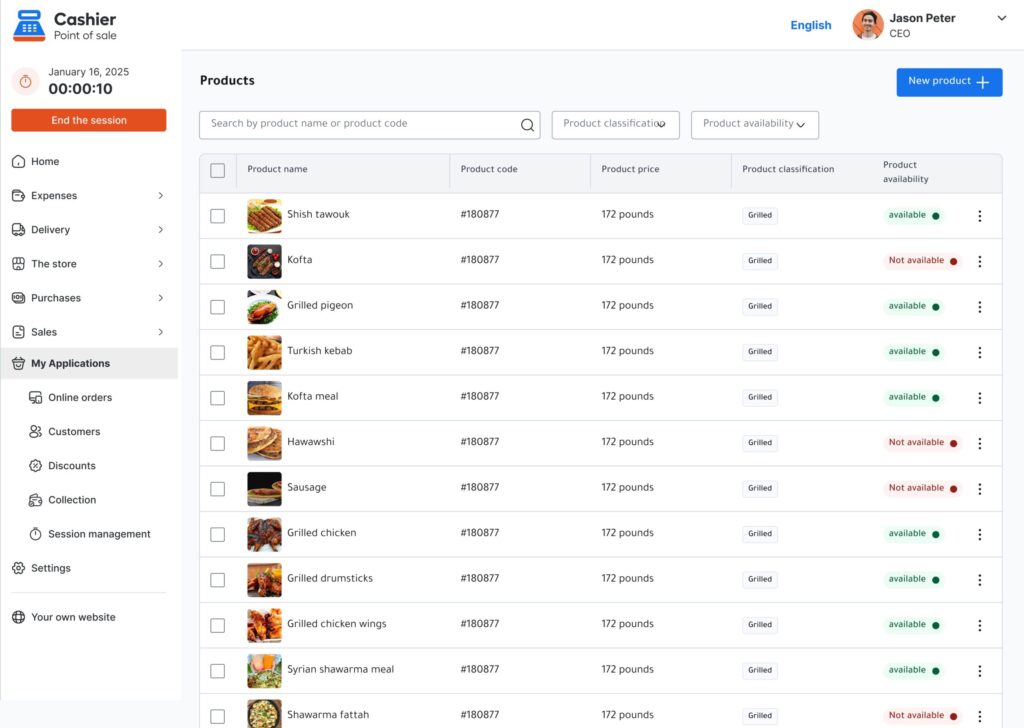
Limited-time offers create urgency, and urgency drives purchase decisions. When customers know that a mango-jalapeño chicken sandwich is only available through August, they are more likely to order it on the first visit rather than waiting. Use your POS system to track the performance of these limited offerings in real time, adjusting pricing, portion sizes, or promotional spend based on what the data tells you.
Building a Summer Staffing Strategy That Reduces Turnover and Boosts Service
Hire Early and Invest in Onboarding
Summer staffing is consistently cited as one of the top challenges restaurant owners face heading into the warm season. The competition for reliable hourly workers is fierce, with hospitality businesses, retail stores, and entertainment venues all recruiting from the same pool. The restaurants that win this competition are the ones that begin hiring in March or April, not June, and that offer something beyond a paycheck to attract quality candidates.
Flexible scheduling, a positive workplace culture, and a clear path to more hours or advancement all factor into a candidate’s decision. In 2026, workers also increasingly value transparency around tips, pay schedules, and shift availability. Restaurants that communicate these details clearly during the hiring process tend to retain staff at higher rates, which matters enormously in a season where training a replacement mid-July can cost you customers, reputation, and money simultaneously.
Cross-Train Your Team for Operational Flexibility
Cross-training, the practice of preparing employees to perform multiple roles competently, is one of the most underutilized tools in restaurant workforce management. A server who can jump in at the host stand, a line cook who can handle expo, or a bartender who can assist with running food during a rush: these versatile employees are the ones who make the difference between a smooth Saturday dinner service and a chaotic one.
Cross-training also protects against the inevitable summer absences that come with a younger workforce, vacation requests, last-minute call-outs, and schedule conflicts are all more frequent during this season. Investing two to three additional training hours per employee at the start of the season pays dividends every week afterward.
Leveraging Technology to Capture Every Dollar This Summer
How a Modern POS System Transforms Summer Operations
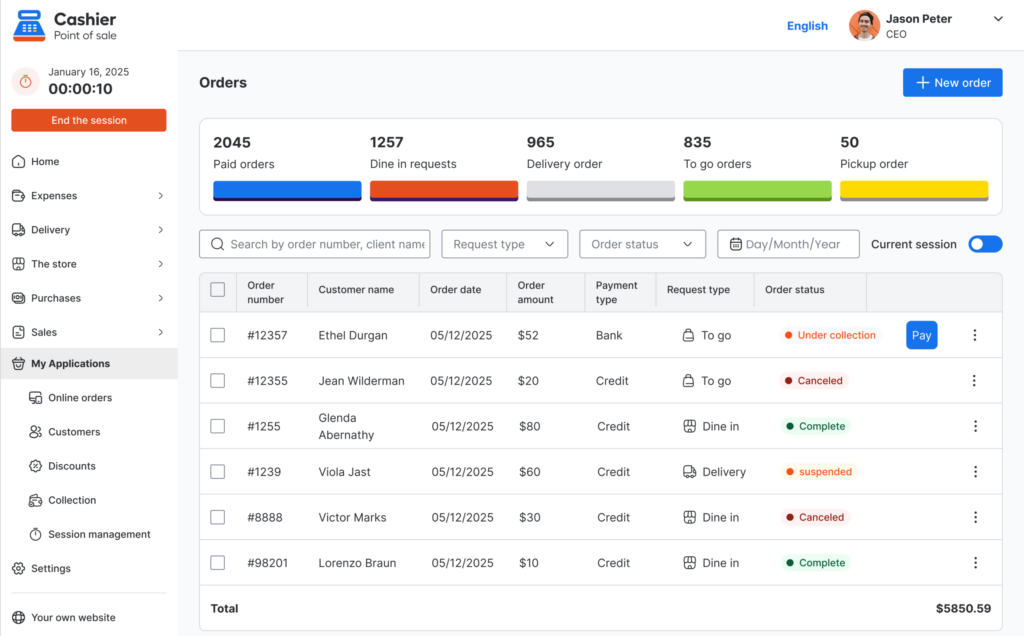
The right point-of-sale system is not simply a tool for processing transactions, it is the operational backbone of a high-performing restaurant, and its value becomes most apparent during high-volume seasons like summer. A modern POS solution allows restaurant owners and managers to see, in real time, which menu items are selling fastest, which tables are turning the slowest, which servers are performing the best, and where waste is accumulating in the kitchen. This visibility is invaluable when you are managing a full house on a Friday night in July.
Cashier POS is a modern POS solution specifically designed with restaurant operators in mind, offering intuitive interfaces that reduce training time for seasonal staff, powerful reporting tools that help owners make data-driven decisions during peak periods, and seamless integration with payment processing and inventory management systems. For restaurants preparing for a busy summer, implementing or upgrading to a system like Cashier POS before the season begins, not during it, is one of the highest-return investments available.

Use Data to Identify Your Best and Worst Performers
Summer is an ideal time to let your POS data do the strategic heavy lifting. Most operators are aware that their POS tracks sales, but far fewer are actively using the granular data it generates to make daily or weekly decisions about their menu, staffing, and promotions. Which appetizers are consistently left half-eaten? Which entrées have the best margin and the fastest prep time? Which days of the week see a drop-off in check averages that could be addressed with a targeted happy-hour promotion?
These questions all have answers living inside your POS system, waiting to be surfaced. Dedicating even thirty minutes per week to reviewing your sales reports, category performance summaries, and labor cost ratios can reveal patterns that would be impossible to detect from behind the pass. Restaurants that operate with this level of data literacy consistently outperform those that rely on intuition alone, particularly during the compressed intensity of the summer season.
Optimize Table Turnover With Digital Ordering and Payment Tools
Table turnover rate, the number of times a table is seated, served, and vacated during a meal period, is one of the most direct drivers of summer revenue. Every additional turn you achieve at a four-top during a busy Saturday dinner service represents meaningful additional profit. Digital ordering tools, tableside payment options, and QR code menus are all technologies that reduce friction in the dining experience and, crucially, reduce the time customers spend waiting for their check.
Cashier POS offers integrated tableside payment features that allow servers to close checks without ever leaving the floor, dramatically reducing the time between a guest requesting the bill and a new party being seated. In a season where every minute of table time counts, this kind of operational efficiency translates directly to top-line revenue growth.
Summer Marketing Strategies That Drive Real Revenue
Run Targeted Promotions Around Key Summer Dates
The summer calendar is packed with revenue-driving occasions that too many restaurant owners fail to plan around deliberately. Memorial Day weekend, the Fourth of July, Labor Day, and local summer festivals or events all represent moments when consumers are actively looking for dining experiences and are often willing to spend more than usual. Restaurants that build specific promotions, prix-fixe menus, themed cocktails, family packages, early-bird specials, around these dates capture a disproportionate share of the market.
Effective summer promotions should be planned at least four to six weeks in advance, communicated across all marketing channels (email, social media, Google Business Profile, and in-store signage), and tracked carefully for ROI. If a Fourth of July barbecue package drives fifty additional covers but requires significant prep investment, understanding whether the margin justified the effort helps you decide whether to repeat it next year.
Invest in Your Online Presence Before Tourists Arrive
For restaurants in markets that receive significant tourist traffic during summer, the weeks before Memorial Day represent a critical window to improve online visibility. Tourists research restaurants before they travel, and often before they even arrive in a destination, which means that your Google Business Profile, TripAdvisor listing, Yelp page, and restaurant website all need to be current, accurate, and compelling before summer begins.
This means updating your hours (especially if you extend them for summer), adding high-quality photos of your outdoor seating and signature summer dishes, responding to recent reviews, and ensuring your menu is current across all platforms. Restaurants that invest in this digital housekeeping before the season typically see measurable increases in table reservations and walk-in traffic from out-of-town guests.
Managing Food Costs and Waste During Peak Volume
Food costs are notoriously difficult to control during summer, when volume is high, new staff are learning prep standards, and the pressure of a busy service can lead to portioning inconsistencies and over-ordering. Establishing clear protocols before the season begins, standardized recipes with written portioning guides, a reliable inventory counting cadence, and a first-in-first-out (FIFO) system for all perishables, creates a foundation for cost control that holds up even under pressure.
Waste reduction is particularly important during summer because the ingredients that spoil fastest are often the fresh, seasonal items that define your best dishes. Building strong relationships with local suppliers who can deliver smaller, more frequent orders reduces the risk of receiving large quantities of produce that your kitchen cannot use before it turns. Some restaurants also use their POS inventory integration to set automatic reorder thresholds for high-velocity items, ensuring that they never run out of popular ingredients mid-service while also avoiding the over-purchasing that leads to spoilage.
Creating Memorable Guest Experiences That Generate Loyalty and Reviews
Extend Your Space With Thoughtful Outdoor Dining
Summer dining is, for many guests, as much about atmosphere as it is about food. Outdoor seating, patios, rooftops, sidewalk tables, beer gardens, represents a genuine competitive advantage for restaurants that have the space and the vision to use it well. Thoughtful touches like shade structures, ambient lighting for evening service, potted plants or greenery, and weather-appropriate furniture elevate the outdoor dining experience from functional to memorable.
A memorable experience translates directly into word-of-mouth referrals and online reviews, which remain the most powerful marketing tools available to independent restaurant operators. When a family from out of town has an exceptional lunch on your sun-drenched patio and posts about it on Instagram or leaves a five-star review on Google, that content reaches thousands of potential customers at zero additional cost to you. Designing experiences worth sharing is, in this sense, one of the highest-leverage marketing investments you can make.
Train Your Team to Deliver Consistent Hospitality Under Pressure
Even the most thoughtfully designed summer menu and the most beautiful patio will fail to build loyalty if the service experience is inconsistent or indifferent. Summer is precisely the season when service quality is most at risk, as new staff are still learning, veteran employees are managing higher workloads, and the pace of service leaves less time for the small, personal interactions that make guests feel genuinely welcomed.
Investing in hospitality training, not just operational training, at the start of summer creates a service culture that sustains itself through the season. This means teaching servers how to read a table, when to add warmth and when to give space, how to handle a complaint gracefully, and how to make each guest feel like a valued regular even if they have never visited before. These skills are learnable, and the restaurants that prioritize them consistently outperform their peers on guest satisfaction metrics.
Organize your sales in seconds with Cashier POS!
Take control of sales and users in moments, and give your business a fully integrated system that runs smoothly.
Get Started For FreeFrequently Asked Questions (FAQ)
The most effective approach combines a high-margin seasonal menu with operational efficiency tools, targeted marketing, and strong staff training. Restaurants that align all three of these elements before the season begins consistently see better financial results than those who address them reactively. Leveraging a modern POS system to track real-time performance data allows owners to identify and act on opportunities as they emerge during the season.
A point-of-sale system like Cashier POS helps restaurants manage high-volume summer periods by streamlining order entry, reducing payment processing times, tracking inventory in real time, and generating detailed sales reports that inform staffing and menu decisions. During peak seasons, the operational efficiency gained from a well-implemented POS system directly reduces labor costs and increases table turnover rates.
Ideally, summer planning should begin in late winter or early spring, no later than March or April. This timeline allows you to hire and train seasonal staff, finalize menu changes, order outdoor furniture or equipment, plan and schedule marketing campaigns, and ensure your technology systems are fully operational before the busy season begins.
Reducing food waste during summer requires a combination of standardized portioning, consistent inventory management, a reliable FIFO (first-in-first-out) system, and a menu designed around ingredient overlap so that the same fresh items appear across multiple dishes. Integrating your POS system with inventory tracking can also help you monitor usage rates and adjust ordering quantities accordingly.
When planned and executed well, seasonal promotions consistently deliver strong returns. The key is to build promotions that are operationally feasible, meaning they do not require extraordinary prep effort or specialized ingredients, and to track their performance carefully so that you can refine your approach from year to year. Promotions tied to specific dates or local events tend to perform best because they align with existing consumer intent.
Conclusion
Summer is the season that defines the year for many restaurants, and the operators who approach it with deliberate, well-researched strategies consistently outperform those who simply open their doors and hope for the best. From designing a seasonal menu that balances quality with cost efficiency, to building a cross-trained workforce that handles peak-volume service with grace, to leveraging modern technology that turns transaction data into competitive intelligence, every element of a well-planned summer strategy contributes to a healthier bottom line and a stronger brand.
The role of technology in this equation deserves particular emphasis. In an industry where margins are thin and operational complexity is high, a reliable, feature-rich point-of-sale system is not a luxury, it is a foundational business tool. Cashier POS provides restaurant owners with the reporting depth, payment speed, and inventory integration needed to navigate a busy summer season confidently, making it an ideal partner for operators committed to growth in 2026 and beyond.
The restaurants that win this summer will not be the ones with the most outdoor tables or the trendiest menu. They will be the ones that planned early, trained their teams thoroughly, marketed intelligently, and used every tool available, from seasonal ingredient sourcing to real-time POS analytics, to capture the full revenue potential of the warmest, busiest, and most opportunity-rich season of the year.