

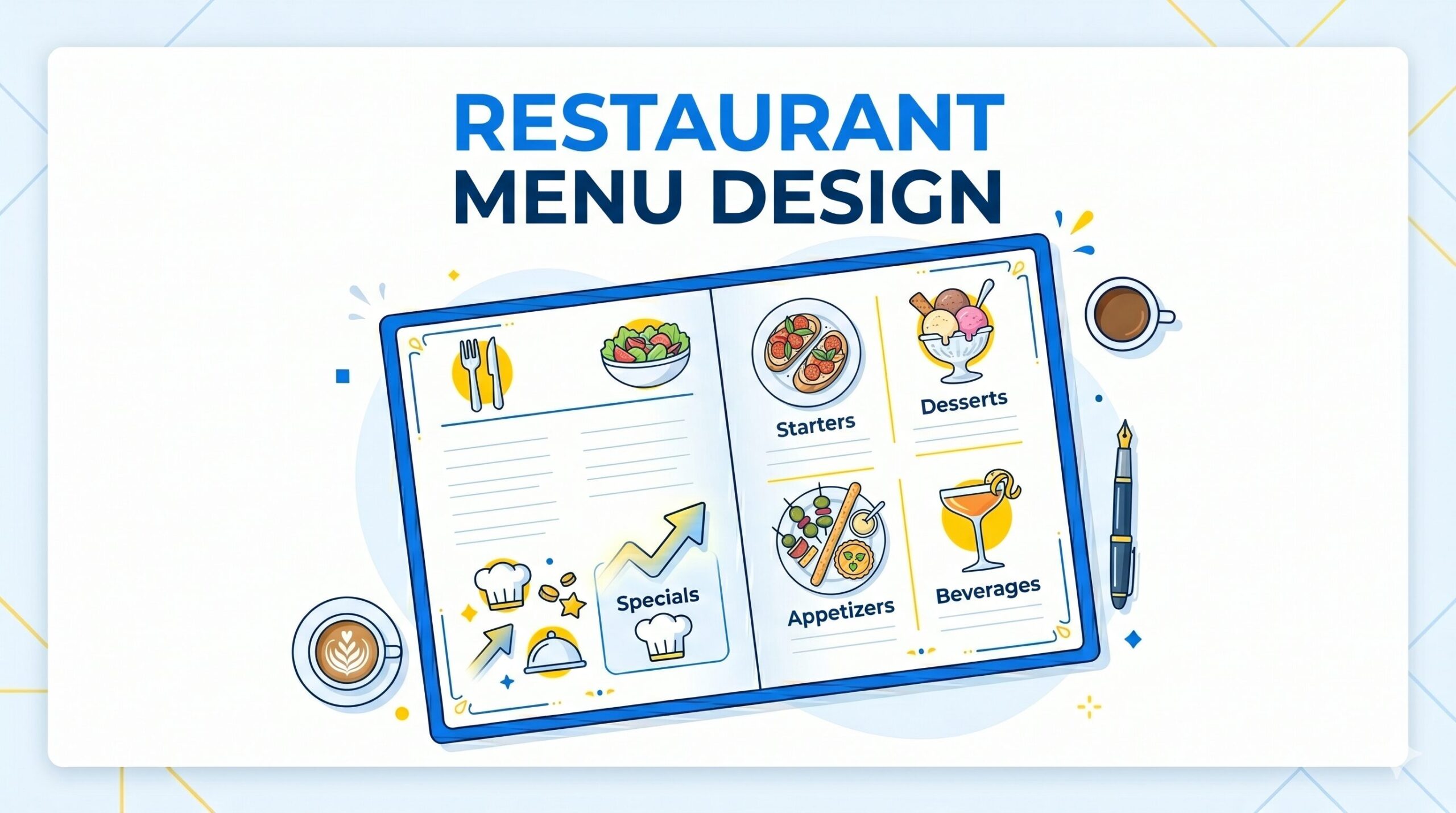
Success in the restaurant industry is rarely accidental. Every detail, from ambiance and service to pricing and presentation, plays a direct role in shaping customer behavior and influencing purchasing decisions. Among these elements, menu design stands out as one of the most powerful yet underestimated drivers of revenue and customer experience.
A restaurant menu is far more than a simple list of dishes. It acts as a silent salesperson, guiding guests toward specific choices, increasing perceived value, and subtly encouraging higher spending. When designed strategically, a menu can significantly improve order value, highlight high-margin items, and strengthen your brand identity.
At the same time, modern restaurants are no longer relying on intuition alone. By combining effective menu design with advanced tools such as a free POS system or POS app, business owners can leverage real data to optimize performance. Insights from an online POS or offline POS system make it possible to refine menu structure, pricing, and placement based on actual customer behavior.
This guide explores 8 proven restaurant menu design tips that help attract more guests, increase sales, and transform your menu into a powerful revenue-generating asset.
Organize your sales in seconds with Cashier POS!
Take control of sales and users in moments, and give your business a fully integrated system that runs smoothly.
Get Started For Free1. Use Strategic Menu Layout to Guide Customer Choices
The structure of your menu plays a critical role in how customers interact with it. Research shows that diners tend to scan menus in predictable patterns, often focusing on the center, top-right corner, and highlighted sections.
By placing high-profit items in these “hot spots,” you can subtly guide customer decisions without being intrusive. This technique, often referred to as menu engineering, helps increase sales of your most profitable dishes.
Additionally, organizing your menu into clear categories, such as appetizers, main courses, desserts, and beverages, ensures a smooth browsing experience. A clean layout reduces cognitive overload and allows customers to make decisions quickly.
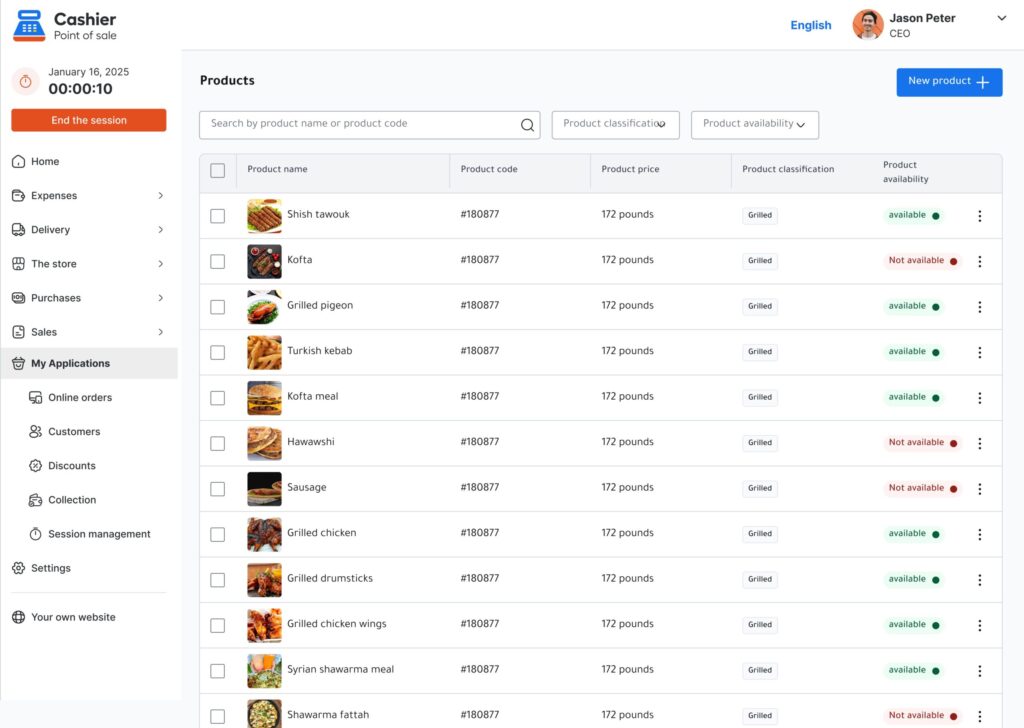
Integrating your menu with a modern POS system like Cashier POS enables you to track which items perform best, allowing you to continuously refine your layout based on real sales data.
2. Highlight High-Margin Items with Visual Cues
Not all menu items are equally profitable. Some dishes generate higher margins due to lower ingredient costs or faster preparation times.
To maximize profits, use subtle visual cues such as boxes, icons, or contrasting colors to draw attention to these items. However, it is important to maintain balance, overusing highlights can make the menu look cluttered and reduce its effectiveness.
A smart approach is to highlight only a few key dishes per category. This creates a sense of importance and increases the likelihood that customers will choose those items.
With tools like Cashier POS, restaurant owners can easily identify their most profitable dishes through detailed sales reports and adjust their menu design accordingly.
3. Optimize Menu Descriptions to Influence Decisions
The way you describe your dishes has a direct impact on customer perception and willingness to spend.
Instead of using generic descriptions, focus on sensory language that evokes taste, texture, and freshness. Words like “slow-cooked,” “handcrafted,” “freshly baked,” and “locally sourced” can significantly increase perceived value.
For example, “Grilled Chicken” can become “Herb-Marinated Grilled Chicken with Fresh Garden Herbs.” This small change can make a dish more appealing and justify a higher price point.
However, clarity is essential. Avoid overly long descriptions that may confuse customers. Keep them engaging but concise.
4. Use Pricing Psychology to Increase Order Value
Pricing is not merely a numerical exercise, it is a powerful psychological lever that directly shapes customer perception and purchasing behavior. Strategic pricing techniques can subtly influence how guests evaluate value, compare options, and ultimately decide what to order.
One widely used approach is minimizing price salience. Removing currency symbols or unnecessary decimals (for example, displaying “10” instead of “$10.00”) reduces the perception of spending and creates a smoother, less transactional experience. This technique is particularly effective in casual and mid-range dining environments.
Another proven method is decoy pricing, where a higher-priced item is placed alongside a mid-range option to make the latter appear more attractive and reasonably priced. This comparative framing helps guide customers toward choices that balance perceived value and profitability.
Menu bundling is also highly effective. Offering combo meals or set menus encourages customers to spend more by presenting a curated selection that feels like better value than ordering items individually. This approach not only increases average order value but also simplifies decision-making.
Advanced restaurants take these strategies further by leveraging real sales data. With a modern POS app like Cashier POS, business owners can analyze pricing performance, test different strategies, and continuously optimize their menu based on actual customer behavior and spending patterns.
5. Keep the Menu Clean, Simple, and Easy to Read
Simplicity is key to effective menu design. A cluttered menu overwhelms customers and slows down decision-making, which can negatively impact table turnover and customer satisfaction.
Use readable fonts, sufficient spacing, and a consistent color scheme to create a visually appealing layout. Avoid using too many fonts or excessive graphics that distract from the content.
A well-designed menu should allow customers to quickly find what they are looking for without confusion.
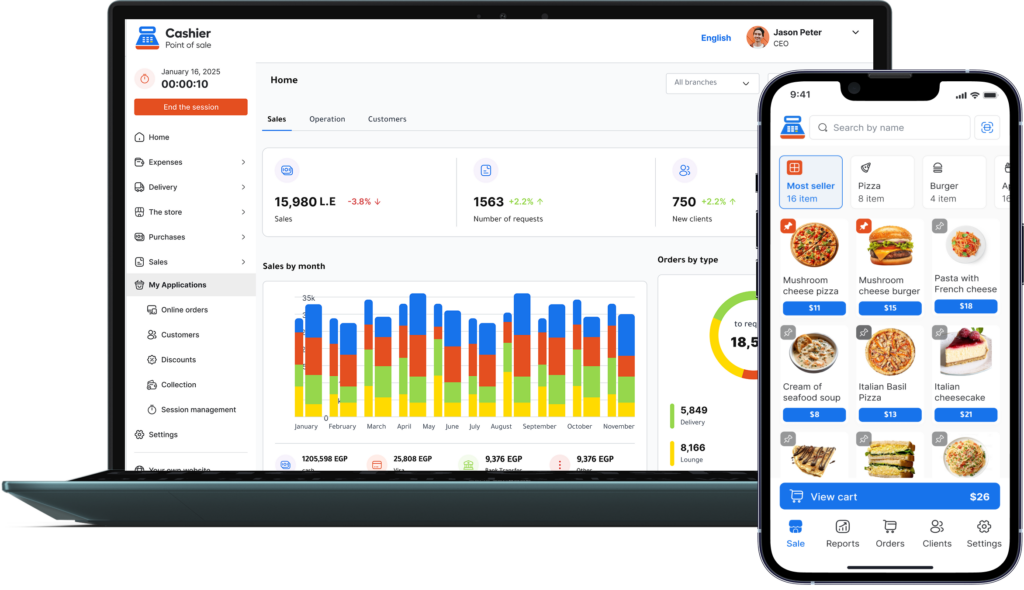
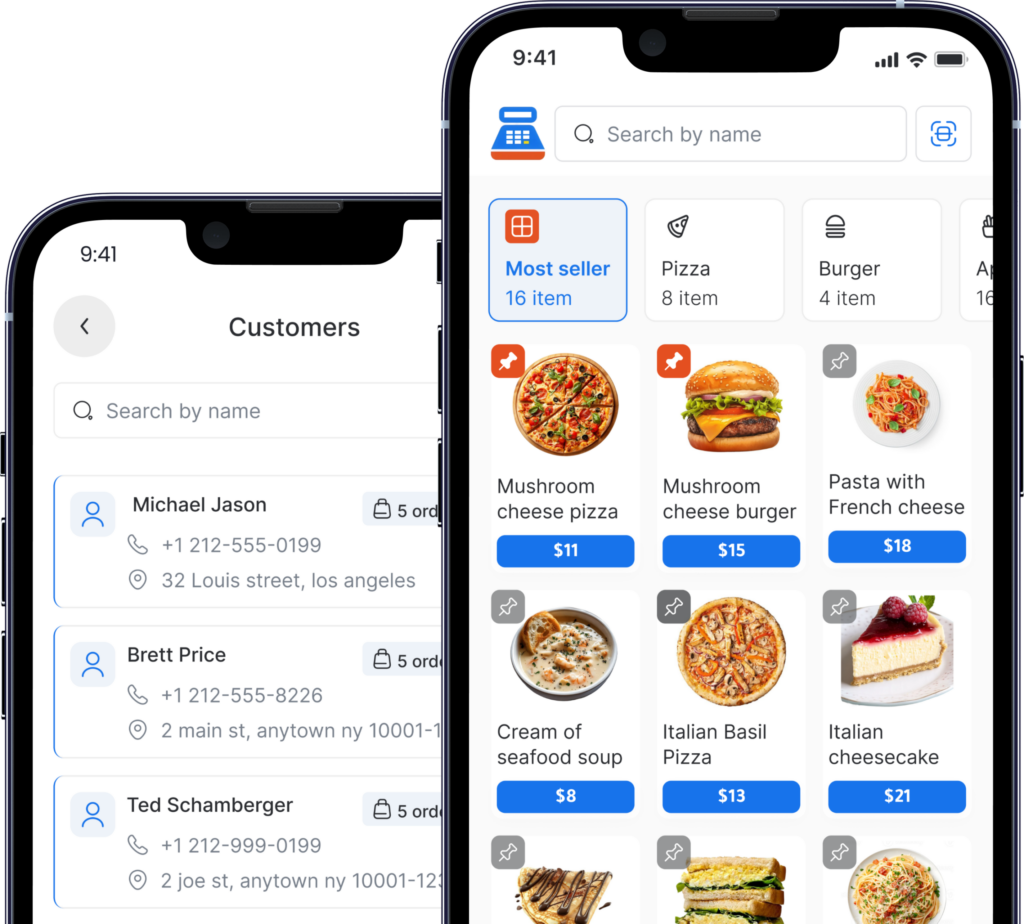
Digital menus integrated with an online POS system further enhance readability by allowing dynamic updates and clear presentation across devices.
6. Incorporate High-Quality Images (But Use Them Wisely)
Images can be a powerful tool for increasing sales, especially for visually appealing dishes. High-quality photos can trigger cravings and encourage impulse purchases.
However, overusing images can make your menu look unprofessional and reduce its perceived quality. Fine dining restaurants, for example, often avoid images altogether to maintain a premium feel.
If you choose to include images, ensure they are professionally taken, well-lit, and consistent with your brand identity.
The goal is to enhance the menu, not overwhelm it.
7. Align Your Menu Design with Your Brand Identity
Your menu should reflect your restaurant’s personality and positioning. Whether you run a casual café, a fast-food outlet, or a fine dining establishment, your design should communicate your brand story.
Colors, typography, and layout should all align with your overall branding. For example, a modern restaurant may use minimalist design elements, while a traditional restaurant may opt for classic typography and warm tones.
Consistency across your menu, interior design, and digital presence creates a cohesive experience that strengthens brand recognition.
Using a restaurant POS system like Cashier POS ensures that your branding is consistent across digital receipts, online ordering systems, and in-store operations.
8. Use Data and Technology to Continuously Improve
Menu design is not a one-time task, it is an ongoing process that requires regular optimization.
By leveraging data from a free point of sale system, restaurant owners can analyze sales trends, identify top-performing items, and remove underperforming dishes.
Modern solutions like Cashier POS provide real-time analytics, allowing businesses to make data-driven decisions that improve profitability and efficiency.
For example, if a dish is rarely ordered, it may need better placement, improved description, or removal from the menu entirely. Conversely, high-performing items can be given more prominence.
This continuous improvement cycle ensures that your menu remains relevant and effective in driving sales.
The Role of POS Systems in Menu Optimization
A well-designed menu is most effective when supported by the right technology. A free POS system or POS app enables restaurant owners to track customer preferences, monitor inventory, and analyze sales performance.
With features such as offline POS capabilities, businesses can continue operating even without internet connectivity, ensuring uninterrupted service.
Cashier POS stands out as a powerful solution that combines flexibility, ease of use, and advanced analytics. Whether you operate a small café or a large restaurant, integrating your menu with a modern POS system allows you to make smarter decisions and enhance overall performance.
Organize your sales in seconds with Cashier POS!
Take control of sales and users in moments, and give your business a fully integrated system that runs smoothly.
Get Started For FreeFrequently Asked Questions (FAQ)
Menu engineering is the process of analyzing the profitability and popularity of menu items to optimize their placement and design for increased sales.
Restaurants should review their menu regularly, ideally every few months, to reflect seasonal changes, customer preferences, and sales data.
A POS system provides valuable data on sales performance, helping restaurant owners identify best-selling items and optimize menu layout accordingly.
Cashier POS is a strong option, offering both online and offline POS capabilities, making it suitable for restaurants of all sizes.
Conclusion
Restaurant menu design is a powerful tool that goes far beyond aesthetics. By applying strategic layout techniques, leveraging pricing psychology, and using data-driven insights, restaurant owners can significantly increase sales and improve customer satisfaction.
Combining these design principles with a modern POS solution like Cashier POS creates a strong foundation for success. From tracking performance to optimizing menu offerings, the right technology empowers businesses to make smarter decisions and stay competitive in a rapidly evolving industry.
Investing in both effective menu design and a reliable POS system is not just an option, it is a necessity for restaurants aiming to thrive in 2026 and beyond.