

In today’s competitive hospitality industry, understanding your customers is no longer optional, it is essential. Restaurants and coffee shops operate in fast-paced environments where customer preferences, behaviors, and expectations are constantly evolving. To stay ahead, business owners must adopt smarter strategies that go beyond traditional service models. One of the most powerful strategies is restaurant customer segmentation.
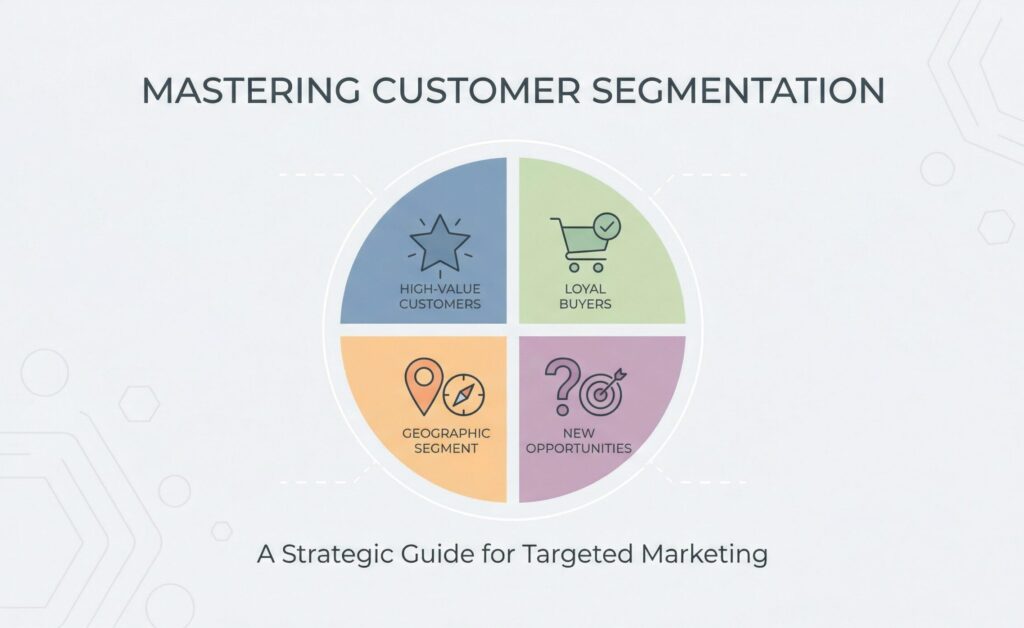
Customer segmentation allows restaurants to divide their audience into meaningful groups based on behavior, preferences, spending habits, and demographics. This approach enables more targeted marketing, improved service delivery, and ultimately higher profitability. When combined with modern technologies such as a Point Of Sale System or a Sales Management System, segmentation becomes even more powerful, offering real-time insights that drive smarter business decisions.
This article explores what restaurant customer segmentation is, why it matters, how it works, and how tools like Cashier POS can help businesses implement it effectively.
Organize your sales in seconds with Cashier POS!
Take control of sales and users in moments, and give your business a fully integrated system that runs smoothly.
Get Started For FreeWhat Is Restaurant Customer Segmentation?
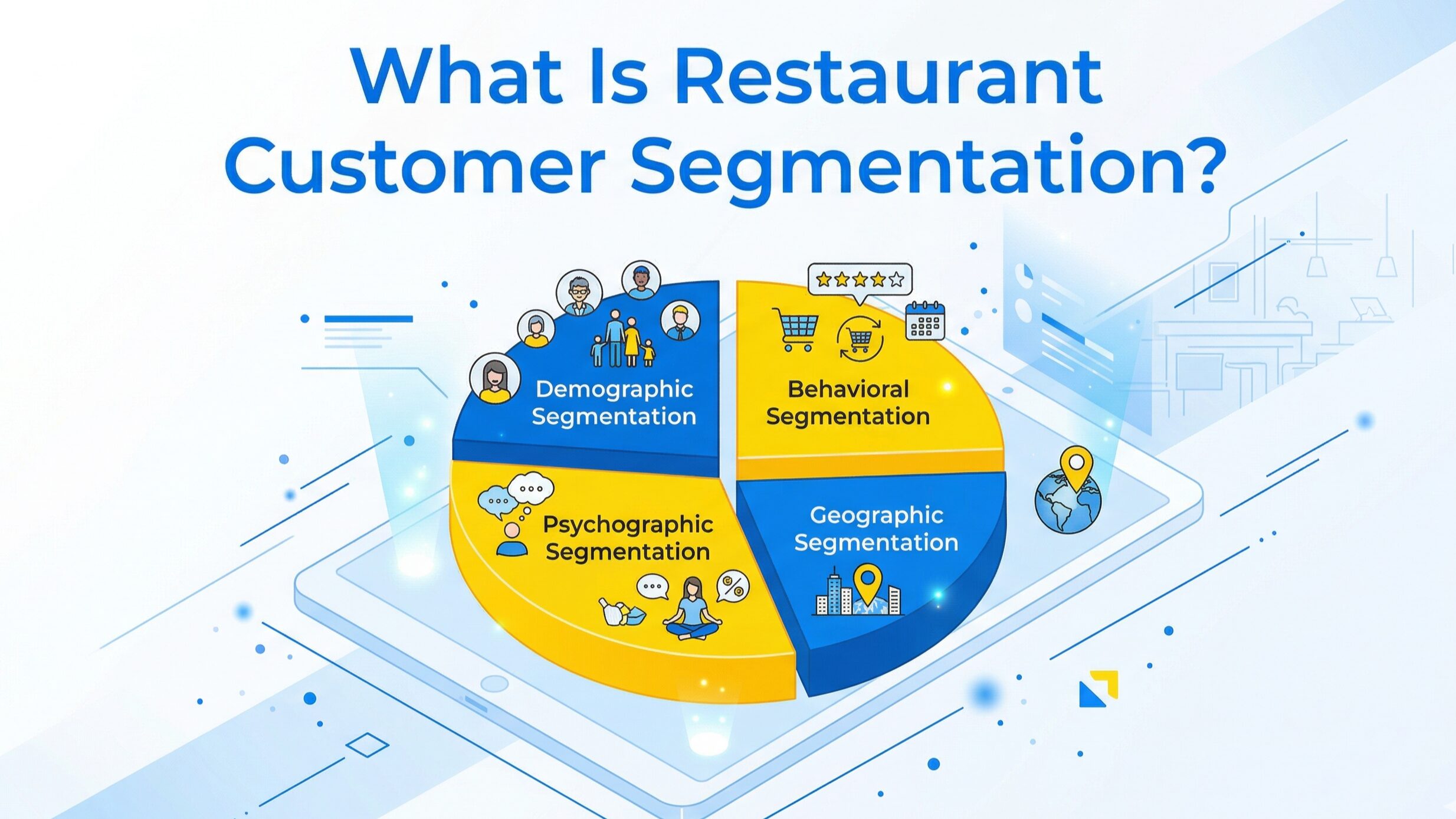
Restaurant customer segmentation is the process of categorizing customers into distinct groups based on shared characteristics. These characteristics may include dining frequency, average spending, food preferences, time of visit, or even customer loyalty.
Instead of treating all customers the same, segmentation allows restaurants and coffee shops to tailor their offerings and communication strategies to different audience groups. For example, a coffee shop may identify morning commuters, remote workers, and weekend visitors as three distinct segments, each with different needs and expectations.
By leveraging data collected through a Point of Sale or Cashier System, businesses can track customer behavior and identify patterns that would otherwise go unnoticed. This data-driven approach transforms guesswork into actionable insights.
Why Customer Segmentation Matters in Restaurants and Coffee Shops
Enhancing Customer Experience
Customer experience is at the heart of every successful restaurant. Segmentation allows businesses to personalize interactions, making customers feel valued and understood. For instance, frequent customers can be offered loyalty rewards, while new visitors may receive introductory promotions.
When a Sales Management System captures customer preferences and purchase history, staff can provide more relevant recommendations, creating a more engaging dining experience.
Improving Marketing Effectiveness
Generic marketing campaigns often fail to deliver strong results. Customer segmentation enables targeted marketing efforts that resonate with specific groups. For example, a restaurant can send special lunch deals to office workers or promote family packages during weekends.
This targeted approach increases conversion rates and reduces marketing costs, making campaigns more efficient and impactful.
Increasing Revenue and Profitability
Understanding customer segments allows businesses to identify high-value customers and focus on retaining them. By offering personalized promotions or exclusive deals, restaurants can encourage repeat visits and increase customer lifetime value.
Moreover, segmentation helps optimize pricing strategies and menu design, ensuring that offerings align with customer preferences and spending habits.
Better Inventory and Menu Planning
Customer segmentation also plays a crucial role in inventory management. By analyzing purchasing patterns, restaurants can predict demand for specific items and reduce waste.
A modern Point Of Sale System provides real-time data that helps business owners adjust inventory levels and menu offerings based on customer demand.

Types of Customer Segmentation in Restaurants
Demographic Segmentation
This type of segmentation is based on factors such as age, gender, income level, and occupation. For example, a coffee shop located near a university may cater primarily to students, while a fine dining restaurant may target higher-income professionals.
Behavioral Segmentation
Behavioral segmentation focuses on customer actions, such as purchase frequency, average order value, and preferred menu items. This is one of the most valuable forms of segmentation because it reflects actual customer behavior rather than assumptions.
A Cashier System can track this data automatically, making it easier to identify loyal customers and occasional visitors.
Geographic Segmentation
Geographic segmentation considers the location of customers. Restaurants can use this information to tailor marketing campaigns or delivery services based on nearby neighborhoods or districts.
Psychographic Segmentation
This type of segmentation focuses on lifestyle, values, and interests. For example, a café may target health-conscious customers by offering organic or vegan options.
Understanding these deeper motivations allows businesses to create stronger emotional connections with their audience.
How a Point Of Sale System Supports Customer Segmentation
A modern Point of Sale System is more than just a tool for processing transactions. It acts as a central hub for collecting and analyzing customer data.
By integrating sales, customer profiles, and inventory data, a POS system provides valuable insights that support segmentation efforts. Business owners can track which products are popular among different customer groups, identify peak hours, and analyze purchasing trends.
Additionally, a Sales Management System enables automated reporting, making it easier to monitor performance and adjust strategies accordingly.
Leveraging Cashier POS for Smarter Segmentation
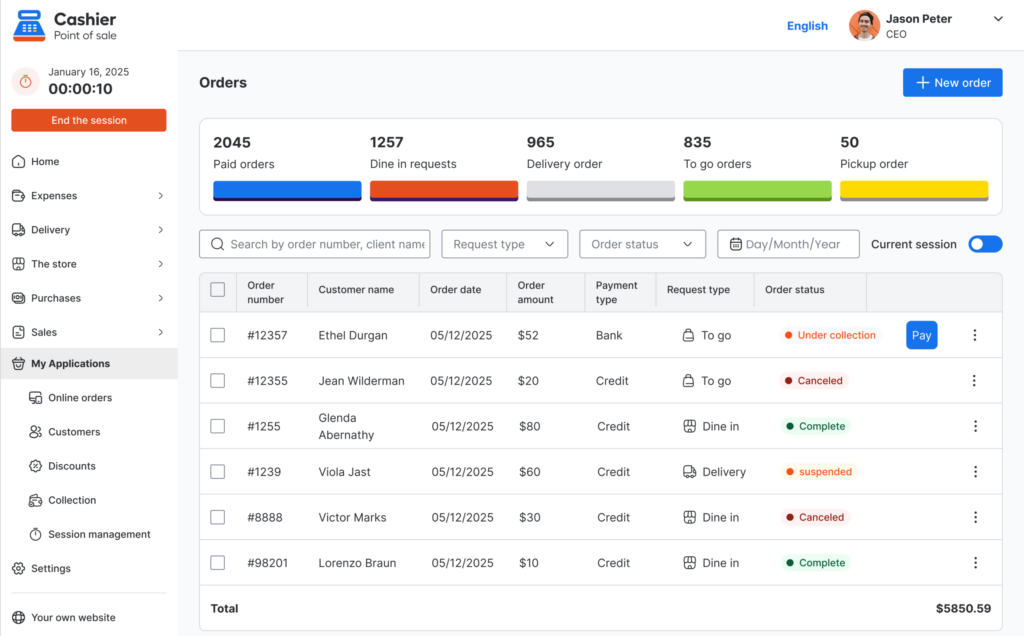
Cashier POS is a powerful and free POS system designed to meet the needs of restaurants, coffee shops, and retail businesses. It offers advanced features that support customer segmentation and data-driven decision-making.
With Cashier POS, business owners can access detailed sales reports, track customer behavior, and manage operations efficiently across multiple devices. Whether operating online or offline, the system ensures uninterrupted service and accurate data collection.
By using Cashier POS, restaurants can:
- Analyze customer purchase history
- Identify high-value customers
- Create targeted promotions
- Optimize menu offerings
- Improve overall operational efficiency
These capabilities make Cashier POS an essential tool for businesses looking to enhance their segmentation strategies and drive growth.
Best Practices for Effective Customer Segmentation
To maximize the benefits of customer segmentation, restaurants and coffee shops should follow several best practices:
- Use a reliable Sales Management System to collect and analyze data
- Regularly update customer segments based on new insights
- Combine multiple segmentation methods for better accuracy
- Train staff to understand and utilize customer data
- Continuously test and refine marketing strategies
By following these practices, businesses can create a more personalized and efficient customer experience.
The Future of Customer Segmentation in the Restaurant Industry
As technology continues to evolve, customer segmentation is becoming more advanced and data-driven. Artificial intelligence and machine learning are enabling businesses to predict customer behavior and automate marketing efforts.
Modern POS systems are integrating these technologies, providing deeper insights and more accurate segmentation. This trend is transforming how restaurants and coffee shops operate, making them more responsive to customer needs.
Cashier POS is at the forefront of this transformation, offering innovative solutions that empower businesses to stay competitive in a rapidly changing market.
Organize your sales in seconds with Cashier POS!
Take control of sales and users in moments, and give your business a fully integrated system that runs smoothly.
Get Started For FreeFrequently Asked Questions (FAQ)
A Point Of Sale System is a software and hardware solution used to process transactions, manage sales, and track business operations in restaurants and coffee shops.
A Cashier System collects and analyzes customer data, enabling businesses to identify patterns and group customers based on behavior and preferences.
A POS system focuses on processing transactions, while a Sales Management System provides broader tools for analyzing sales data, managing inventory, and optimizing business performance.
Yes, even small restaurants can benefit from segmentation by understanding their customers better and offering more personalized experiences.
Conclusion
Restaurant customer segmentation is a powerful strategy that enables businesses to understand their customers, personalize experiences, and drive growth. By dividing customers into meaningful groups, restaurants and coffee shops can improve marketing effectiveness, optimize operations, and increase profitability.
When combined with a modern Point Of Sale System or Cashier System, segmentation becomes even more effective, providing real-time insights and actionable data. Solutions like Cashier POS empower businesses to implement segmentation strategies easily and efficiently, making it easier to stay competitive in today’s dynamic market.
For restaurant owners and entrepreneurs looking to enhance their operations and customer experience, investing in a reliable POS system is an important step toward long-term success.